
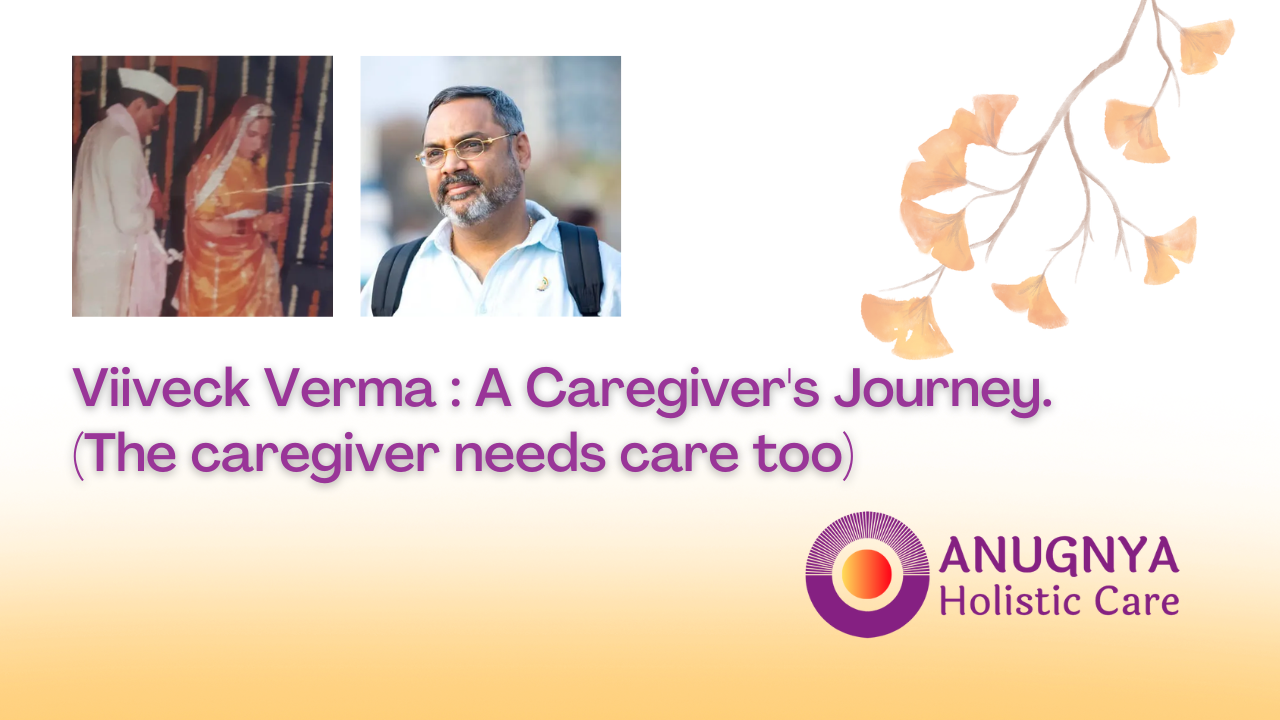
When someone you love is diagnosed with cancer, your life changes forever. Viiveck Verma knows this more intimately than most—he cared for his wife Prernaa through 11 years and 9 separate reappearances of cancer.
His journey taught him that caregivers often forget to take care of themselves. The emotional, physical, and mental toll of caregiving can be overwhelming. But it's his personal experience as a caregiver—supporting his wife through 11 years of cancer—that drives his commitment to helping other caregivers find the support they need.
Key Insight
Viiveck cared for his wife Prernaa through 11 years and 9 reappearances of cancer—bone metastases, morphine for pain management, the constant cycle of hope and setback. Their household had a strict "no discussion" policy about the illness, believing that talking about it would cause everyone to crack. Looking back, Viiveck recognizes this stoic approach came at a cost. "I can't have a weak moment," he thought then. "That weak moment will be a very weak moment for her." Today, he sees it differently: vulnerability is not weakness, and caregivers are not superheroes. The main learning from his journey is simple but profound—asking for help is not optional, it's essential.
What You'll Learn
- A Personal Journey — How Viiveck navigated 11 years of caregiving, from the shock of diagnosis in their early 30s to managing bone pain and yearly metastatic cycles
- The Case for Integration — Why he tried 10-11 alternative treatments and discovered the real gap wasn't in any single therapy, but in the lack of a holistic, complementary approach where practitioners work together
- The Stoic Trap — Why the "no discussion" policy and constant bravery backfired, and his three pieces of hard-won advice: accept vulnerability as normal, seek support actively, and don't avoid difficult conversations
Read Viiveck's complete story and learn about the importance of caregiver support during the cancer journey.
Read Full Article on Substack →